



Winter In Japan
Introduction to Winter in Japan
One Country, Many Different Winters
There is a particular beauty to Japan in winter. Not simply in the snow-covered mountains or the quiet streets of its historic towns, but in the way the season transforms the country, revealing places, traditions and experiences that remain less familiar to those who visit.
Japan is a country of extraordinary geographical diversity. While the northern island of Hokkaido settles into deep snow and icy landscapes, the Japanese Alps become a destination for winter sports and mountain retreats. Further south, Kyoto takes on a quieter atmosphere, its temples and gardens offering a different perspective on the season. And in Okinawa, winter follows an entirely different rhythm, shaped by the subtropical climate and the surrounding ocean.
For us at Luxurique, this diversity is what makes winter in Japan so compelling. No two regions offer quite the same experience, and no two travellers necessarily seek the same things.
A winter journey here can begin with a desire to explore the mountains, discover a particular tradition, encounter wildlife in its natural environment or simply experience a side of Japan that few have taken the time to discover.
The possibilities extend far beyond the familiar.


Winter brings a particular sense of romance to Japan. From intimate ryokan stays with private open-air onsen overlooking snow-covered landscapes to beautifully illuminated city streets, secluded mountain retreats and exceptional dining experiences, the season offers countless opportunities for couples to reconnect.
Couples & Romantic Escape

Japan offers an extraordinary variety of winter experiences for families of all generations. Beyond world-class skiing and snow play, families can discover seasonal celebrations at Tokyo Disneyland and Universal Studios Japan, encounter snow monkeys in their natural habitat, enjoy traditional hot springs, explore illuminated gardens and participate in hands-on cultural activities.
Families & Multi-Generational Travel

For independent travellers seeking discovery, inspiration and a deeper connection with Japanese culture, winter offers a particularly rewarding perspective. Explore quieter temples and historic neighbourhoods, experience traditional tea ceremonies, join meditation sessions with Buddhist monks, discover regional winter gastronomy and unwind in secluded onsen retreats.
Solo Travellers & Cultural Explorers

Winter provides an exceptional setting for corporate gatherings, incentive programmes and meaningful group experiences. From exclusive mountain retreats and private chalet dining to traditional cultural performances, seasonal celebrations, immersive workshops and distinctive gala dinners, Japan offers countless ways to create memorable occasions.
Corporate Groups & MICE
Japan's winter climate is shaped by its geography, surrounding seas and mountainous terrain.
Cold seasonal winds from Siberia bring substantial snowfall to Hokkaido and the Sea of Japan coast. Mountain ranges create significant regional differences, meaning that two destinations only a few hours apart can experience very different winter conditions.
On the Pacific side, including Tokyo, winter is generally drier, with clear skies and relatively little snowfall. In the south, Okinawa enjoys a much milder climate.
Hokkaido : -3.2°C~1°C
Tohoku : -0.9°C~7°C
Japanese Alps : -0.4°C~3°C
Kyoto: 4.8°C~10°C
Tokyo: 5.4°C~11°C
Approximate seasonal averages, °C.


Winter in Japan
Sample Winter Activities


Sample Ski And Winter Destinations
UNTOUCHED POWDER ALL TO YOURSELF


Sample Winter Itinerary Themes
Christams / New Year


Christmas in Japan brings a contemporary and atmospheric character to the beginning of winter. Cities come alive with elaborate illuminations, seasonal displays, Christmas markets, and beautifully decorated streets, while restaurants and hotels create special experiences for the occasion. Although Christmas is not traditionally a religious celebration for most Japanese people, it has developed its own identity, associated with lights, dining, gifts, and time spent with partners, friends, and family.
As Christmas gives way to New Year, the atmosphere changes completely. Oshogatsu is one of the most important periods in the Japanese calendar, when many people return home, spend time with family, and prepare for the year ahead. Temples ring their bells on New Year’s Eve, while shrines and temples welcome millions of visitors for hatsumode, the first prayer of the year. Traditional decorations, customs, and rituals transform homes and public spaces, creating a quieter and more reflective mood.
Food is an essential part of the season. Families share osechi ryori, beautifully arranged dishes carrying symbolic wishes for the coming year, while toshikoshi soba is traditionally eaten on New Year’s Eve. From spectacular winter illuminations and festive dinners to the stillness of a temple at midnight and the first shrine visit of the year, the festive season offers a distinctive journey between modern Japan and traditions that have been preserved for generations.
Wellness
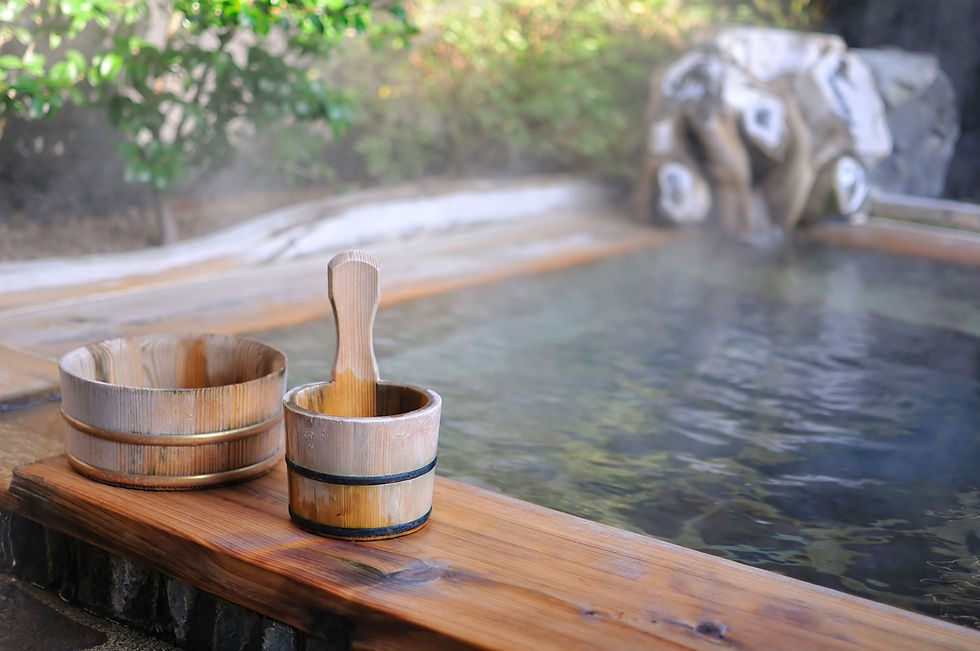


In Japan, wellbeing has long been connected to nature, seasonality, and a sense of balance in everyday life. From mineral rich hot springs hidden among mountains to peaceful temple retreats and remote coastal landscapes, the country offers spaces where the pace naturally slows. These experiences are not simply about relaxation, but about creating time to reconnect with the body, the surroundings, and the present moment.
Onsen culture lies at the heart of this relationship with wellbeing. Across Japan, naturally heated waters emerge with different mineral compositions, each shaped by the geology of its region. Bathing in an open air onsen surrounded by forests, mountains, snow, or the sea becomes an experience inseparable from the landscape itself. Meditation, forest walks, traditional therapies, and mindful practices further reflect a culture in which restoration is often found through simplicity and connection with nature.
Wellbeing in Japan also extends to food, movement, sleep, and daily rituals. Seasonal cuisine, nourishing local ingredients, walking through natural environments, and stays designed around tranquillity encourage a more considered rhythm of travel.
Whether spending several days at a secluded ryokan, experiencing meditation within a temple, or simply embracing the stillness of the countryside, Japan offers an approach to wellbeing that feels both deeply rooted in tradition and remarkably relevant today.

From the air, Tokyo reveals a vast layered cityscape stretching from its dense urban core to the coastline.

From the air, Tokyo reveals a vast layered cityscape stretching from its dense urban core to the coastline.


Unlock the Inaccessible Japan. Reserved for the Most Discerning
Beyond Luxury, Beyond Access




KYOTO OFFICE
8F 9F 623 Shichikannon-cho, Rokkaku-sagaru, Karasuma-dori,
Nakagyo-ku, Kyoto 604-8162 Japan
TOKYO HQ
TRI-SEVEN ROPPONGI 7F 7-7-7 Roppongi, Minato-ku, Tokyo 106-0032 Japan